 Rated Excellent on Trustpilot


Tight supply, political pressure and international tension
The new year has barely begun, and gold and silver have already pushed into fresh record territory. While the moves may look dramatic on the charts, the forces behind them have been building quietly for some time.
Silver continues to be pulled in two directions at once: strong investment demand on one side, and relentless industrial consumption on the other. Supply, meanwhile, remains stubbornly limited. No new silver mine can be brought online in a matter of months, regardless of price, and the market is once again being reminded of that reality.
There has been some discussion around improving market liquidity if existing silver stockpiles in the United States begin flowing more freely into centres such as London. That may ease pressure at the margins, but it doesn’t address the underlying issue. Persistent demand continues to outstrip available supply. For now, there simply isn’t enough silver to go around.
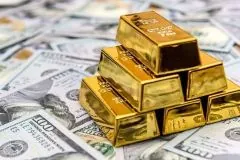
Gold’s strength has been driven by a different, though equally familiar, set of factors. As geopolitical tensions rise and global policy becomes less predictable, gold has returned to its long-established role as a safe haven asset. Analysts point to a shift in US foreign policy toward a more assertive, transactional stance (sometimes described as “might makes right” ), as another reason nations are reassessing their reliance on the US dollar. Diversification, once again, is doing the heavy lifting.
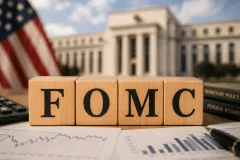
US interest-rate expectations remain part of the picture, though not the main event this month. Markets are not currently expecting the Federal Reserve to cut rates immediately. That said, the US labour market continues to cool, and most analysts see rate cuts as a question of timing rather than direction. The debate has moved on from if rates fall to how far they eventually go.
What has added a fresh layer of uncertainty is an extraordinary challenge to the independence of the US central bank itself. The Department of Justice has opened a criminal investigation into Federal Reserve Chair Jerome Powell, linked to a $2.5bn renovation of the Fed’s headquarters and his testimony to Congress. The move has intensified long-running tensions between the Fed and the Trump administration, with Powell stating publicly that he has faced pressure for setting interest rates based on economic judgement rather than political preference. Markets reacted quickly. The US dollar weakened, global equities opened lower, and risk appetite softened across Europe and the US. Alongside the investigation, renewed unrest in Iran and talk of potential US involvement have added to an already unsettled backdrop.
Against that environment, gold and silver have done what they tend to do when confidence frays. Gold has held its ground as a geopolitical hedge. Silver, constrained by supply and buoyed by demand, has continued to move higher.
None of this guarantees what comes next. Markets rarely move in straight lines. But as 2026 begins, the message from precious metals is a familiar one: when policy, politics and supply chains grow complicated, simple assets tend to attract attention.
Quietly. Consistently. And often sooner than expected.