 Rated Excellent on Trustpilot


Silver Crown
The silver Crown coin was a British coin introduced in 1707, as per the Union of England and Scotland. This new British Crown coin combined the pre-existing English Crown and the Scottish Dollar, and was worth five shillings. The Crown coin weighed approximately 28 grams, and its silver content was approximately .925 sterling silver.
Below is our range of collectable silver Crown coins, including Victorian Crowns and older. For more information can call our helpful support team on 0121 634 8060 or email us at support@bullionbypost.co.uk.
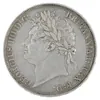
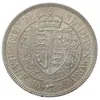
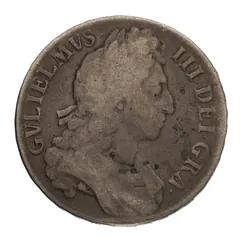
William III Milled Silver Crown OCTAVO
from £108.10
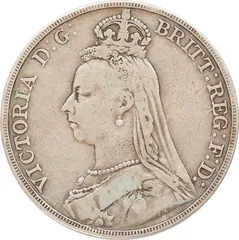
1891 Silver Crown Coin Queen Victoria Jubilee Head
from £110.76
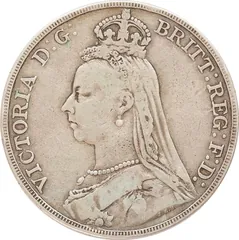
1889 Silver Crown Coin Queen Victoria Jubilee Head
from £110.76
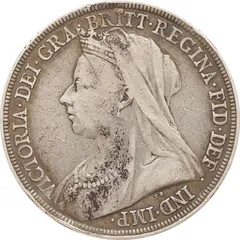
1895 Silver Crown Coin Queen Victoria Old Head
from £110.76
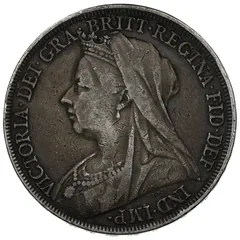
1898 Silver Crown Coin Queen Victoria
from £111.60
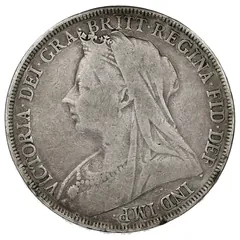
1896 Silver Crown Coin Queen Victoria
from £111.60
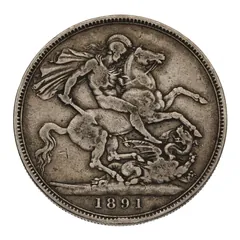
from £112.20
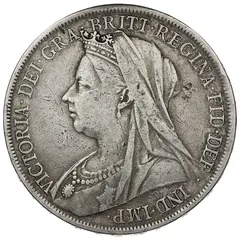
1900 Silver Crown Coin Queen Victoria
from £117.60
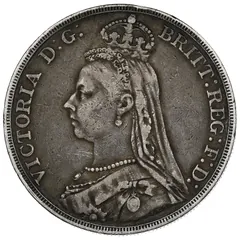
1890 Silver Crown Coin Queen Victoria
from £120.00
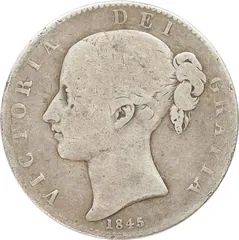
1845 Silver Crown Coin Victoria Young Head Fine
from £122.30
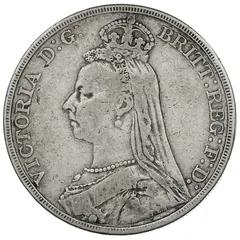
1892 Silver Crown Coin Queen Victoria Jubilee Head
from £122.40
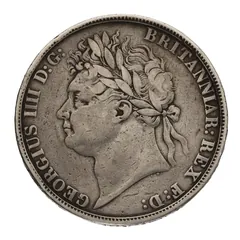
from £127.60
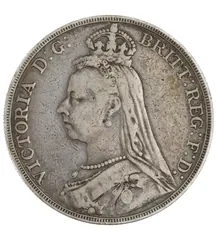
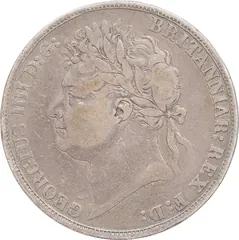
1822 Silver Crown Coin George IV Fine
from £132.30
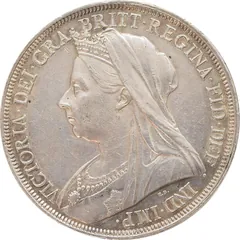
1897 Silver Crown Coin Queen Victoria Old Head
from £132.30
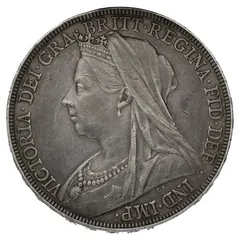
1898 Silver Crown Coin Queen Victoria LXII
from £135.48
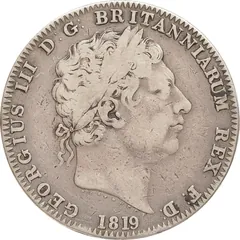
1819 Silver Crown Coin George III
from £158.76
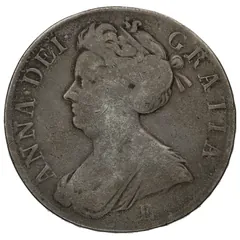
1707 Silver Crown Coin Queen Anne E
from £161.52
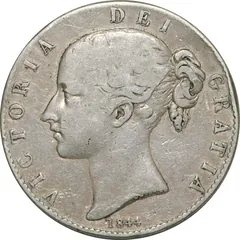
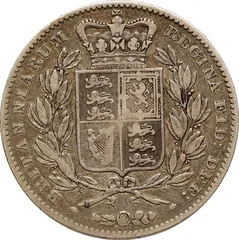
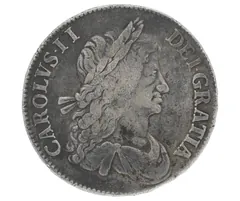
1663 Silver Crown Coin Charles II Fine or Better
from £174.60
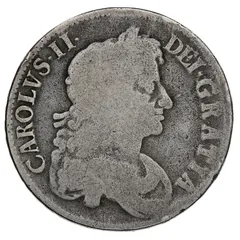
1676 Silver Crown Coin Charles II V OCTAVO
from £176.80
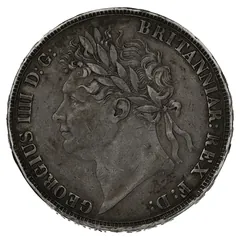
1822 Silver Crown Coin George IV TERTIO
from £177.36
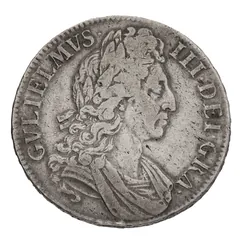
1696 William III Milled Silver Crown OCTAVO - Fine
from £185.00
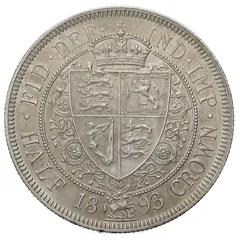
from £58.60
Silver Crown
The silver crown coin was first issued in 1551 under King Edward VI, son of Henry VIII. Production lasted two years, before Edward's death and the succession of his sister, Mary. No crowns were minted during her reign, but production did resume under their sister Queen Elizabeth I.
Silver crowns were minted between 1551 - 1553, 1558 - 1751, and 1818 - 1970. The coins were issued in 925 sterling silver (though purity wasn't wholly accurate), with copper added to the alloy to strengthen the coins against clipping – the act of shaving metal off to steal value. The coin's size was considered a hindrance at 38mm diameter, and the Royal Mint made its silver Britannia coins the same diameter as a nod to this.
The crown coin was worth a quarter of a pound, though this specifically refers to the Sovereign gold coin. The Unite gold coin varied between 20-22 shillings, while the Guinea coin was a fixed 21 shillings. The sovereign pound coin that followed lowered this – and the coin's metal content – to be worth 20 shillings.
The silver crown coins were similar to other European silver coins of the time, making them easily tradable, but the lack of consistency in the coin metal content meant many coins were undervalued and, as time went on, owners realised the coins were worth more smelted down. The Royal Mint, during the reign of King George II, halted production of silver crowns to stop the melting of Britain's small value tender – coins traders were desperate for.
The Great Recoinage of 1816 lowered the silver content of many circulating British coins and improved the consistency of others, so that the coins as tokens were worth more than the silver they contained, thus deterring continued smelting. Following the First World War, this .925 purity dropped to .500 purity (50%), and after the Second World War the coin no longer contained silver, instead being made from cupronickel to imitate the precious metal.
Gold Crown coin
Gold Crown coins were produced in England prior to this, and in very small quantities after the union. Modern day crowns are better known as £5 coins and are typically issued by The Royal Mint for commemorative purposes.