 Rated Excellent on Trustpilot


Silver Shilling
The Shilling is a silver coin formerly in circulation worth 12 pence, or one twentieth of an old pound. The first Shilling coin was produced in 1503, but there are mentions and reference in older English documents dating back to Anglo-Saxon times. The Shilling was an essential part of UK currency, and most transactions were stated in multiple of shillings and pence.
No British coin collection would be complete without the Shilling. For more information about Shillings coins please call customer support on 0121 634 8060 or email us at support@bullionbypost.co.uk.
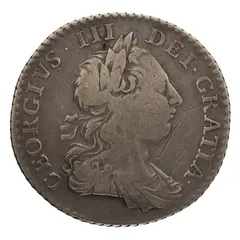
George III Northumberland Milled Silver Shilling
from £428.20
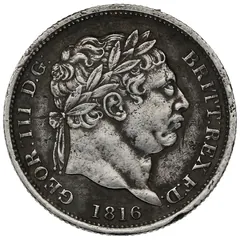
1816 Silver Shilling Coin George III
from £42.40
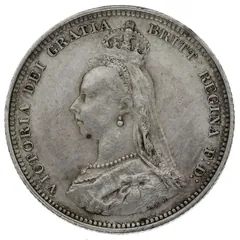
1887 Silver Shilling Coin Victoria
from £47.60
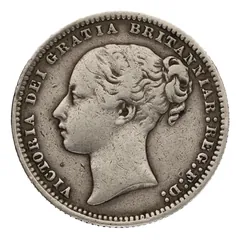
1875 Victoria Silver Shilling Die 41
from £61.30
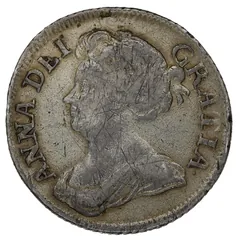
1709 Silver Shilling Coin Queen Anne
from £63.48
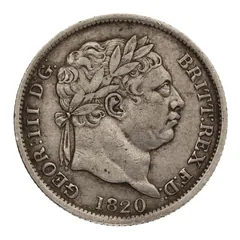
1820 George III Silver Shilling
from £64.40
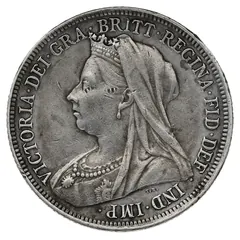
1898 Silver Shilling Coin Queen Victoria
from £65.76
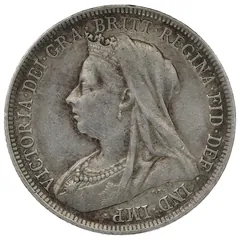
1894 Silver Shilling Coin Queen Victoria
from £65.76
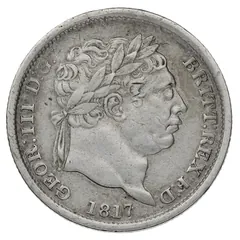
1817 Silver Shilling Coin George III
from £71.40
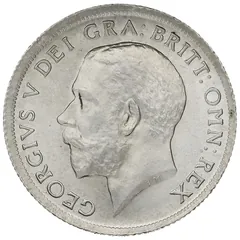
1916 Silver Shilling Coin George V
from £77.76
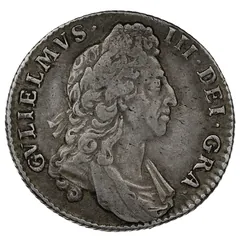
1697 Silver Shilling Coin William III
from £79.08
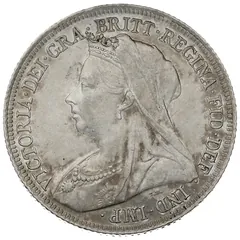
1900 Silver Shilling Coin Queen Victoria
from £82.70
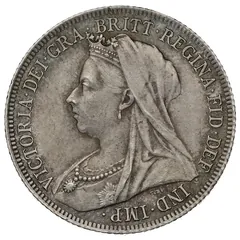
1899 Silver Shilling Coin Victoria
from £87.24
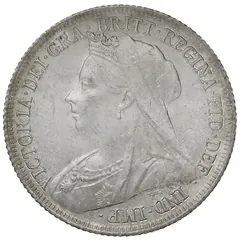
1901 Silver Shilling Coin Queen Victoria
from £93.80
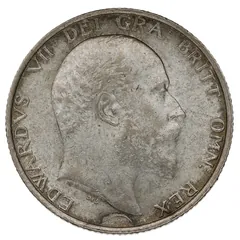
1906 Silver Shilling Coin Edward VII
from £94.80
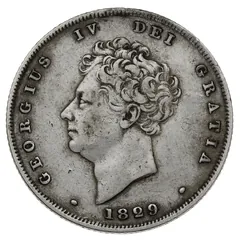
1829 Silver Shilling Coin George IV
from £96.40
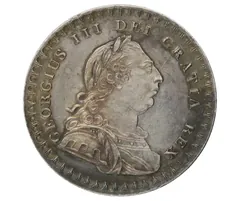
1811 Silver Shilling and Six Pence Token
from £97.40
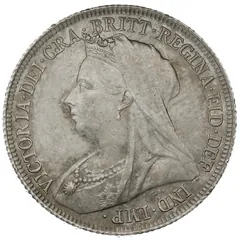
1897 Silver Shilling Coin Queen Victoria
from £97.70
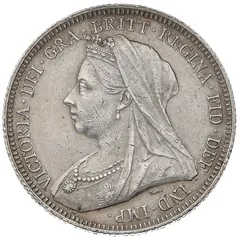
1893 Silver Shilling Coin Victoria
from £97.70
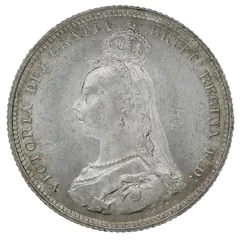
1888 Silver Shilling Coin Queen Victoria
from £97.80
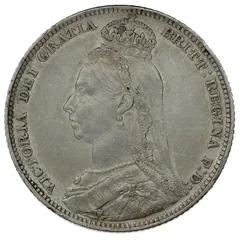
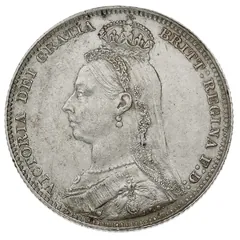
1891 Silver Shilling Coin Queen Victoria
from £105.70
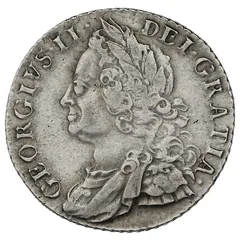
1758 Silver Shilling Coin George II
from £105.72
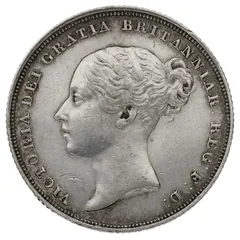
1838 Silver Shilling Coin Victoria A1
from £106.50
The Shilling was first minted during the reign of King Henry VII, as a 'testoon' but its more common name was soon adopted. The name Shilling is derived from the Old English 'scilling'. The testoon suffered from debasement for much of the Tudor period, dropping in value to six pence by 1544. It wasn't until the time of Queen Elizabeth I that the metal content was returned to its pre-debasement levels, and the value returned to 12 pence.
Shillings were one of the most common measurements for all British transactions, with pence as an addition. If something cost 64 pence, this would have been quoted as 5 shillings and four pence, or 'five and four'. The slang term 'bob' became popular for the shilling as well.
The Shilling would go on to be minted for centuries. In 1816, under King George III, the coins became standardised at 92.5% silver purity. During the war years of 1920 - 1946, silver shillings were reduced - like all other silver coins - to be 500 purity (50%).
Even when British coins were decimalised in the 1970s the Shilling would live on; continuing as legal tender with a value of five new pence until December 31st, 1990.