 Rated Excellent on Trustpilot


A Second Chance for Those with FOMO?
Two weeks ago, markets breathed a sigh of relief. Trump's proposal to Iran and talk of an imminent resolution sent the gold price spiking 4% almost overnight, while silver, true to its more volatile nature, surged over 10% in the same move. For those who had been sitting on the sidelines, it was a painful moment to watch, a sharp reminder of just how quickly precious metals can move when the geopolitical wind shifts.
Then, as quickly as the optimism arrived, it faded. Days turned into weeks, the situation remained fragile, and the price drifted back. And now, with Trump reportedly issuing a fresh ultimatum to Iran, warning that bombing could resume if a deal isn't reached, gold has pulled back to around £3,350 per ounce.
So the question worth asking is this: does the latest dip hand a second opportunity to those who missed the move two weeks ago?
What the last fortnight has shown us
The 4% spike in gold on ceasefire hopes wasn't a fluke or a quirk of the news cycle, and silver's move of over 10% in the same window underlined just how much energy was coiled beneath the surface. Silver's volatility in this environment has a specific industrial driver behind it: it is a critical material in solar panel production. With the Strait of Hormuz effectively closed and oil supply severely disrupted, energy-importing nations are accelerating their push toward renewables, and solar leads that charge.
As the energy transition speeds up under the pressure of constrained oil supply, demand for the metal that powers it rises with it. That structural tailwind amplifies silver's already volatile price swings, meaning gains can be sharper on the way up, just as pullbacks can be steeper on the way down. For investors who understand that trade-off, those swings represent significant opportunity.
The dollar story, and what it means for gold
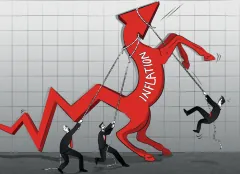
The Iran conflict has also driven a sharp strengthening of the US dollar, which has climbed to six-week highs as elevated oil prices push inflation expectations up and lead markets to price out Federal Reserve rate cuts. When the dollar strengthens, investors rotate into US-backed assets, Treasuries and dollar-denominated bonds, which reduces appetite for gold and silver.
The oil price is central to this dynamic: the longer the Strait of Hormuz remains closed, the more persistent those inflation fears become, and the longer the dollar headwind lasts. That coin has two sides, however. A credible path to resolution could strip away the oil-driven inflation premium and the dollar's safe-haven bid almost simultaneously, and history shows that when those headwinds fade, capital flows back into precious metals fast.
Where we are now
The renewed threat of escalation has pushed prices back and soured sentiment in the short term. But recent history has already demonstrated the speed at which markets reprice when a resolution looks credible. When the news is good, the move is fast and sharp, waiting for confirmation often means missing it entirely. That's the position many investors found themselves in two weeks ago. The price moved before they could act, and the window closed quickly.
With gold back near £3,350, the setup looks similar to where it was before that initial spike, except this time, there's the added context of knowing exactly how the market responded. A deal, or even credible progress towards one, could trigger the same reaction again.
The broader picture remains intact
It's worth keeping perspective on what's driving this market. The Iran situation has created short-term noise, but it is not the underlying story. Whether the conflict resolves this week or drags on for months, the structural case for precious metals remains firmly in place. Central banks continue to diversify away from dollar-backed assets. Inflation risks persist. US monetary policy remains uncertain. Stock markets are fragile. Government debt continues to climb. Any resolution simply removes one of the most significant remaining headwinds, and history suggests the market is ready to move the moment it does.
For those with FOMO from two weeks ago, this dip may well be the second chance that rarely comes twice.
In summary
Gold's retreat to around £3,350 follows renewed uncertainty over a US-Iran resolution after a fresh ultimatum from Trump dampened hopes of an imminent ceasefire. The dollar has climbed to six-week highs as elevated oil prices, driven by the continued closure of the Strait of Hormuz, have pushed inflation expectations higher and led markets to price out Fed rate cuts, directing capital into US-backed assets. The moves seen two weeks ago (gold up 4%, silver surging over 10%) demonstrated just how quickly the market responds to positive news. Silver's outsized volatility is further amplified by its critical role in solar panel production: as oil supply constraints accelerate the global shift to renewables, industrial demand for silver rises alongside investment demand. With the long-term fundamentals still firmly intact, the current dip could represent a timely opportunity for investors who missed the first move.