 Rated Excellent on Trustpilot


Short-Term Headwinds. Long-Term Tailwinds.
As tensions in the Middle East continue to ease, the conflict in Iran is becoming less of a driving force behind precious metal prices.
The fragile ceasefire has held, tankers are once again passing through the Strait of Hormuz and oil prices have largely returned to their pre-conflict levels. While the situation remains far from resolved, markets appear to be placing less weight on geopolitical risk than they were just a few weeks ago.
That leaves one factor firmly in the spotlight: the United States and interest rates.
The Fed Remains in Control
For much of this year, gold has found itself caught between two competing forces. Higher inflation would ordinarily provide support for precious metals, but with a stronger US dollar and rising interest rates, its largely offset that benefit.
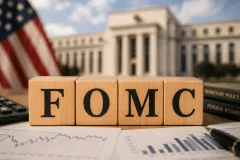
Earlier this year, markets were pricing in a series of interest rate cuts, helping gold climb to fresh record highs. However, events over the last four months have shifted todays view dramatically. Following the Federal Reserve's increasingly hawkish tone from their recent FOMC meeting, investors are now banking on the possibility that the next move could be another rate hike rather than a cut, with markets predicting that here is 64% chance of a hike in September, with the likelihood of one happening in July sitting at 31%.
That change in expectations continues to weigh heavily on gold. On Tuesday, gold marked its largest quarterly decline since 2013 and its forth consecutive monthly drop, with stronger-than-expected US labour market data released, reinforcing the view that the Federal Reserve can afford to keep monetary policy tighter for longer. The latest JOLTS figures, alongside resilient employment data, suggest inflation remains the Fed's primary concern. Cleveland Fed President Beth Hammack also added to that narrative this week, noting that higher interest rates remain a possibility should inflation fail to ease.
For a non-yielding asset such as gold, that presents a meaningful short-term headwind.
Looking Beyond Today's Headlines
It's easy to become focused on the next inflation release or the next Federal Reserve meeting. But while those events continue to influence short-term price movements, they don't necessarily tell the whole story.
Behind the scenes, many of the world's central banks continue to do the exact opposite of what gold's recent price performance might suggest. The latest research from the Official Monetary and Financial Institutions Forum (OMFIF) found that official institutions remain firmly committed to gold as a strategic reserve asset.
Among the 74 central banks surveyed, 82% now hold physical gold, up from 71% a year ago, while almost one-third expect to increase their allocations over the next two years. Despite record prices, reserve managers continue to accumulate gold as they navigate an increasingly fragmented global financial system.
Andrea Correa, Head of Research at OMFIF, summed it up simply in an interview with Kitko News - "Gold is not moving anywhere."
That view isn't isolated either, with Goldman Sachs continuing to argue this week that central bank diversification remains one of the strongest structural drivers for gold demand, forecasting prices approaching $4,900 per ounce by the end of 2026. Meanwhile, HSBC has also suggested gold is beginning to look undervalued following its recent pullback.
Few are questioning gold's longer-term role within the global financial system.
Short-term price movements will always be influenced by economic data and central bank policy, but the longer-term story, however, appears to remain much the same.
For investors, the challenge is deciding which of those two timelines matters most to them.
Precious metal prices can be volatile and the value of your metal may go down as well as up. No responsibility can be accepted by Jewellery Quarter Bullion Limited for any loss caused by acting on information we have provided. We do not offer investment or tax advice and recommend that you conduct your own independent research before making any investment decisions.
Precious metal prices can be volatile and the value of your metal may go down as well as up. No responsibility can be accepted by Jewellery Quarter Bullion Limited for any loss caused by acting on information we have provided. We do not offer investment or tax advice and recommend that you conduct your own independent research before making any investment decisions.