 Rated Excellent on Trustpilot


For much of this year, developments in the Middle East have been among the biggest influences on precious metal prices. Escalating tensions have repeatedly driven oil prices higher, fuelled inflation concerns and helped shape expectations for US interest rates. This week, however, the market may have revealed that another factor now sits firmly in the driving seat.
After almost two weeks of conflict following the collapse of the ceasefire, hopes briefly emerged that tensions between the US and Iran were beginning to ease over the weekend with fighting paused. Oil prices responded immediately, pulling back sharply on Mondays opening before recovering later in the week as fresh attacks resumed. Yet while oil closely tracked events on the ground, gold's reaction was far more subdued.
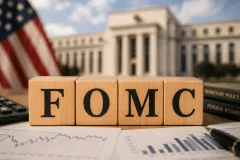
Ordinarily, lower oil prices and falling Treasury yields, like we saw Monday, would be expected to provide stronger support for gold. Instead, the rally proved minor and short-lived, suggesting investors remain far more focused on the direction of US monetary policy than geopolitical developments alone. That brings us to the US Federal Reserve, as they begin its latest policy meeting on Tuesday and Wednesday. Whilst interest rates are expected to remain unchanged when the decision is announced on Wednesday evening (7pm GMT), some analysts believe there is a 36% likelihood of a rate hike, and with that level of uncertainty this close to the decision the price of gold has remained restricted this week. With a static interest rate announcement, investors will still be listening closely to Chair Kevin Warsh's comments for any clues about the path of interest rates over the coming months.
Recent economic data has done little to make that job easier, with softer inflation and weaker durable goods orders initially suggested price pressures may be beginning to cool. However, stronger retail sales and another resilient employment report have painted a very different picture, leaving markets divided over how quickly the Fed will be able to ease policy. Attention will quickly turn from Wednesday's Fed decision to Thursday's latest US inflation figures, providing another important test of whether price pressures are genuinely beginning to ease.
Should inflation continue to soften, combined with a less hawkish tone from the Federal Reserve, precious metals could find renewed momentum. Equally, if inflation proves more persistent and policymakers continue to signal higher interest rates are on the cards for when the Fed next meets in September, then gold may remain under pressure in the short term.
That said, the broader picture has changed very little. As we explored last week, rising government debt, continued central bank purchases of gold and ongoing geopolitical uncertainty remain firmly in place. These longer-term structural drivers have not disappeared simply because markets are currently focused on interest rates.
For investors, this creates a familiar dilemma. Do you wait for greater certainty, accepting that prices may already have moved by then? Or do you recognise that timing the market perfectly is rarely possible, particularly when the long-term reasons for owning precious metals remain intact?
The answer will differ for every investor. But if this week has taught us anything, it is that while headlines may continue to come from the Middle East, the market is increasingly looking to Washington for the next decisive move.
Precious metal prices can be volatile and the value of your metal may go down as well as up. No responsibility can be accepted by Jewellery Quarter Bullion Limited for any loss caused by acting on information we have provided. We do not offer investment or tax advice and recommend that you conduct your own independent research before making any investment decisions.
Precious metal prices can be volatile and the value of your metal may go down as well as up. No responsibility can be accepted by Jewellery Quarter Bullion Limited for any loss caused by acting on information we have provided. We do not offer investment or tax advice and recommend that you conduct your own independent research before making any investment decisions.