 Rated Excellent on Trustpilot


Hammered Coins
For numismatic collectors Hammered coins represent a chance to buy a piece of older history, whether in gold or silver. British hammered coins were in production up to 1662 at which point coin manufacture switched to milling, improving the quality and security. A hammered coin can usually be identified easily by its distinctive flattened edges and is often visually misshaped compared to modern milled coins.
Hammered coins cover the time period of some of England and Scotland's most famous, and infamous, monarchs. Edward I, Henry VIII, Elizabeth I and Charles II are just some of the Kings and Queens that can be found on a hammered coin.
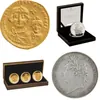
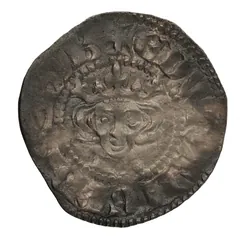
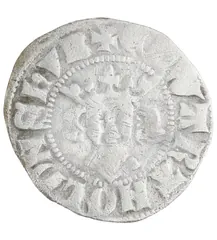
1272-1307 Edward I Silver Penny London class 3g
from £146.90
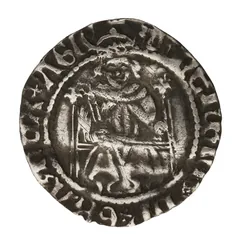
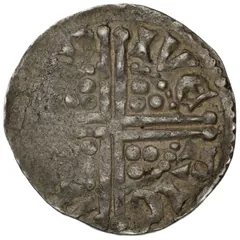
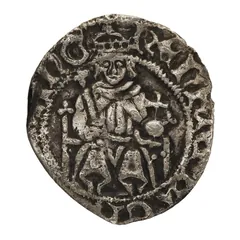
1488-99 Henry VII Hammered Silver Penny York
from £142.90
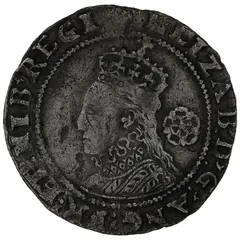
1593 Silver Sixpence Coin Elizabeth I Tun
from £142.20
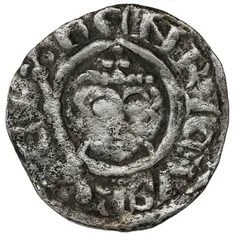
Richard I Silver Penny Hammered
from £141.90
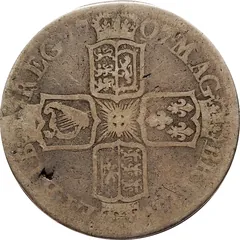
1707 Silver Half Crown Coin Queen Anne
from £137.88
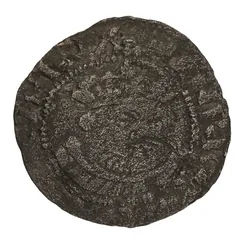
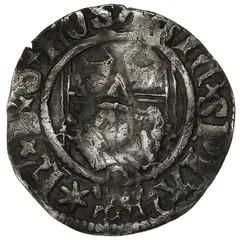
1544-47 Henry VIII Silver Halfgroat
from £136.30
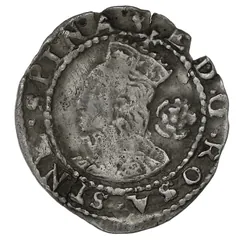
1573 Silver Three Farthings Coin Elizabeth I Acorn
from £132.72
from £128.04
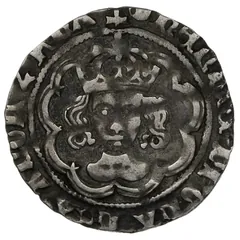
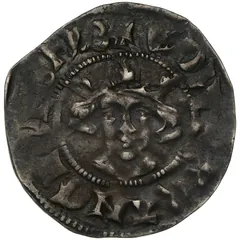
1307-1327 Edward II Silver Penny Hammered Canterbury
from £126.90
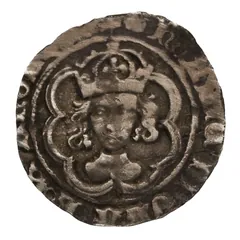
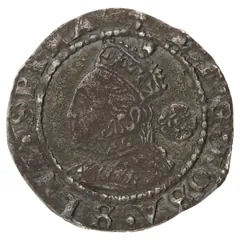
1573 Silver Three Halfpence Elizabeth I Acorn
from £125.80
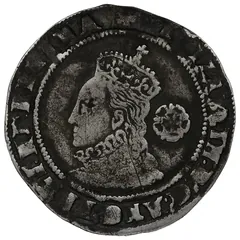
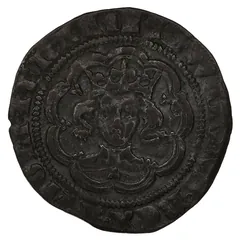
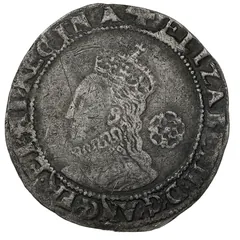
1579 Silver Sixpence Coin Elizabeth I Greek Cross
from £123.00
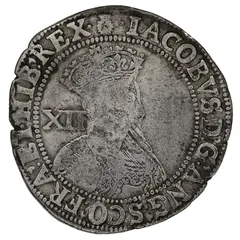
1603-1604 Silver Shilling Coin James I Thistle
from £122.88
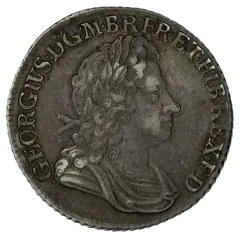
1723 Silver Shilling Coin George I
from £122.70
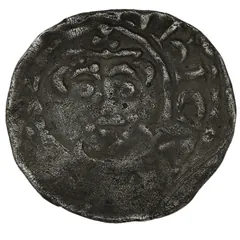
1189-1199 Richard I Silver Penny Hammered Class 4a
from £119.64
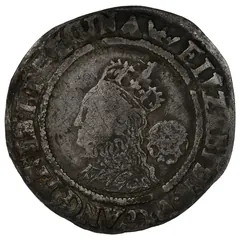
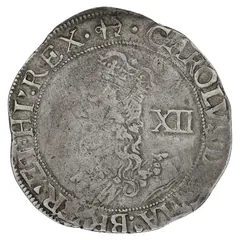
1638 Silver Shilling Coin Charles I Anchor
from £117.84
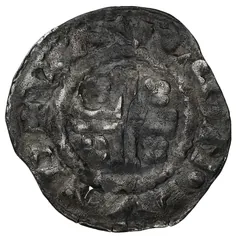
The term ‘hammered' refers to the manufacturing process of the coin, during which a blank piece of bullion was placed between two dies, and the pattern struck into both sides of the coin. The method was used for centuries and was largely unaltered from traditional techniques even years later.
Hammered coins suffered from a number of flaws that ultimately made their replacement necessary. Due to the striking process it was impossible to produce coins that were uniform in size and weight. This made the coins vulnerable to various forms of fraud, of which the most popular was ‘clipping'. A clipped coin had slivers of the metal sheared from the edges and caused British coinage to be devalued significantly over the course of their history.
Non-hammered coins were first produced in England during the rule of Elizabeth I during the 1560s, but the skill-trade held off its rival for just over a century. It wasn't until 1662 that hammered coins finally came to an end.