 Rated Excellent on Trustpilot


Silver Sixpence
The Sixpence coin, also known as a 'tanner' or 'sixpenny bit', was a silver British coin originally worth six pence, or 1/40 of a Pound. First introduced in 1551, the Sixpence coin would continue to be issued until decimalisation in 1971.
With a history spanning over 500 years, no silver coin collection would be complete without the Sixpence. Below is our range of collectable silver Sixpence's, including free, fully insured delivery.
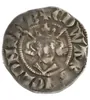
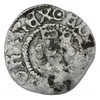
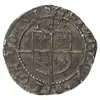
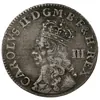
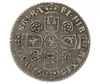
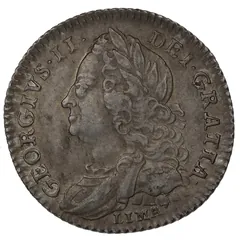
1746 Silver Sixpence Coin George II LIMA
from £123.72
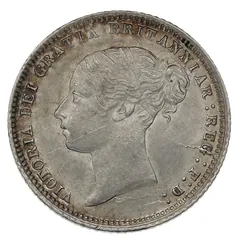
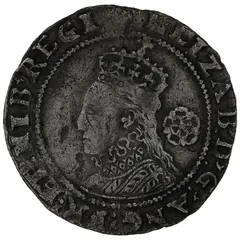
1593 Silver Sixpence Coin Elizabeth I Tun
from £142.32
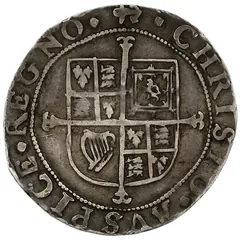
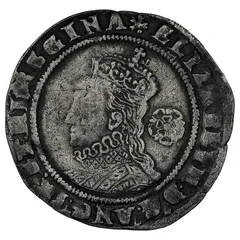
1574 Silver Sixpence Coin Elizabeth I Eglantine
from £151.90
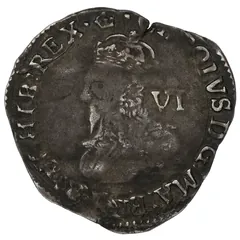
1635-1636 Silver Sixpence Coin Charles I Crown
from £154.00
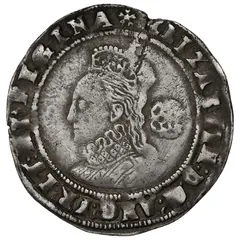
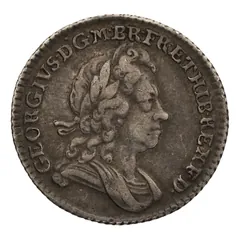
1723 George I Milled Silver Sixpence
from £164.20
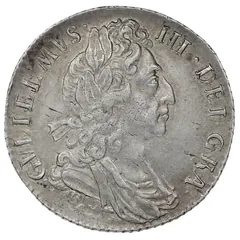
1697 Silver Sixpence Coin William III
from £168.70
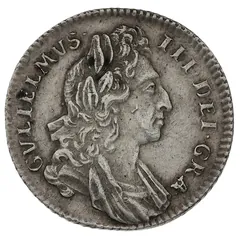
1696 Silver Sixpence Coin William III
from £169.20
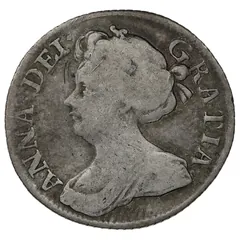
1711 Silver Sixpence Coin Queen Anne Good Very Fine
from £172.92
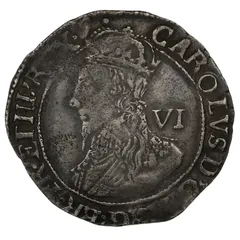
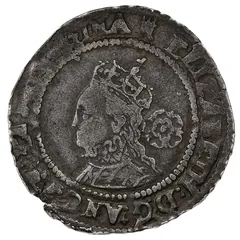
1570 Silver Sixpence Coin Elizabeth I Castle
from £206.40
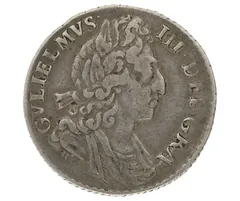
1699 Silver Sixpence William III
from £213.70
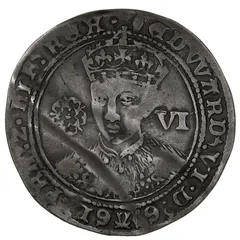
1551-1553 Silver Sixpence Coin Edward VI Tun
from £232.56
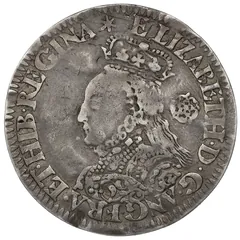
1562 Silver Sixpence Coin Elizabeth I Star
from £256.80
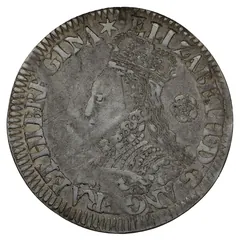
1563 Silver Sixpence Coin Elizabeth I Milled Star
from £279.00
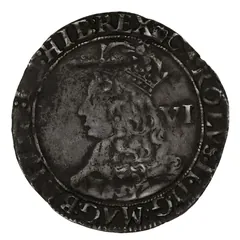
1660-1662 Silver Sixpence Coin Charles II Crown
from £298.90
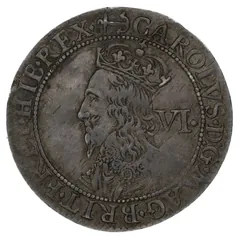
1638-1639 Silver Sixpence Coin Charles I Anchor
from £334.10
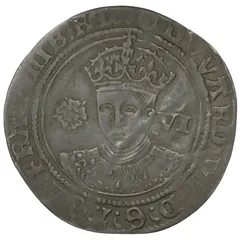
1551 Silver Sixpence Coin Edward VI
from £353.80
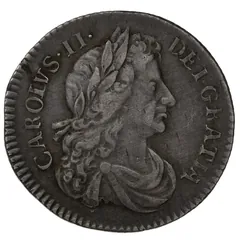
1683 Silver Sixpence Coin Charles II
from £402.90
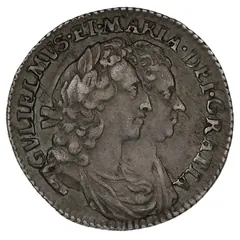
1693 Silver Sixpence Coin William & Mary
from £499.10
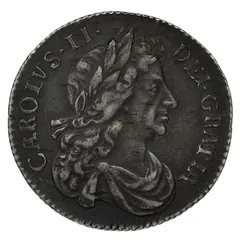
1683 Silver Sixpence Coin Charles II
from £589.00
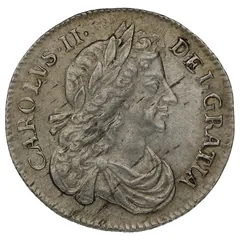
1684 Silver Sixpence Coin Charles II
from £740.10
Silver Sixpence
Silver Sixpence coins were first minted in 1551, while Edward VI was King. Silver had been debased during the reign of his father, King Henry VIII, and the silver Testoon in particular found its value halved. The Testoon being valued at six pence however proved useful and popular. When the Testoon was restored to its original value during the reign of Elizabeth I, it was renamed as the Shilling. The debased version of the Testoon was then worth six pence, and would be officially adopted as that coin.
The 'tanner' nickname is believed to have originated from the 18th Century. The Royal Mint employed a new Chief Engraver, named John Sigismund Tanner who designed several issues of the Sixpence coin.
Having been produced over the following 400 years, the silver Sixpence coin has been minted in a number of purities, including Sterling (925) and debased (500) fineness. The debasement took place in 1920 and Sixpence coins from that year were produced in both purities. After the second world war, gold and silver were no longer used for circulating currency, and the Sixpence was produced instead using cupronickel.
Following the decimalisation of Britain's currency in the 1971, the silver Sixpence remained in circulation for another nine years until 1980. As part of the decimal system, the Sixpence had a somewhat confusing value of 2.5 pence.