
 Rated Excellent on Trustpilot


UK Gold Reserves
The UK's gold reserves represent the gold bullion held by the Bank of England as part of the nation's official foreign exchange reserves. The Bank of England holds approximately 310 tonnes of gold as part of the UK's official gold reserves. These reserves are stored primarily in the Bank of England's gold vaults beneath London, one of the largest gold depositories in the world. This substantial holding means the UK has the 16th largest gold reserves globally with the top holders being the United States, Germany, Italy, France and Russia.
Purpose of Gold Reserves
Central banks hold gold for several strategic reasons including confidence in the monetary system, diversification of foreign exchange reserves away from currency-only holdings, maintaining purchasing power independent of any single currency, and providing emergency liquidity during crises.
The Bank of England's continued gold holding, despite periodic debates about gold's role, demonstrates its enduring value as a reserve asset.
Historical UK Gold Reserve Changes
The UK historically has held large amounts of gold in reserve. In 1950 this reached a high of 2,543 tonnes of gold, over eight times the amount currently held. The UK's total gold holdings declined during the 1950s and 60s before a significant sale was made in 1970, cutting the reserves almost in half. This was done to protect the Sterling exchange rate (which had been devalued in 1967) and in response to the IMF request that 25% of payments be made in gold. The UK sold significant quantities of gold between 1999-2002 at prices later viewed as unfavourable, reducing reserves from approximately 715 tonnes to around 310 tonnes.

Why did the UK Sell its Gold Reserves?
This controversial sale, often called the "Brown Bottom" after then-Chancellor Gordon Brown, occurred near historic lows in the UK gold price, costing the country billions in potential value as prices subsequently rose.
In this instance, the former Chancellor intended to take advantage of gold's price dropping in the late 1990s. Brown's plan was to sell some of the UK's gold reserves (which were half of the nation's total currency reserves) and use the money as reinvestment for other assets such as the Dollar, Euro, and Yen, as well as to reduce the national debt. Such a policy was repeated by Sarkozy as France's Chancellor in the early 2000s, but both men acted just before gold's price and demand rapidly improved.
The sale of the UK's gold reserves has been heavily criticised over the years. The early announcement of Brown's plan drove the price of gold down by 10% ahead of the sale. The use of auctions was also considered a poor way to ensure the best price. In 2001, the price of gold began to climb once more, garnering further criticism over the potential money that could have been made had Brown waited a few more years.
Bank of England Gold Vaults
The Bank of England's gold vaults are among the largest worldwide, storing not only UK reserves but also gold belonging to other central banks and institutions. The facility stores approximately 400,000 gold bars worth over £200 billion.
This concentration of gold in London reflects the city's historical role as a global gold trading center and the trust placed in UK custodianship by international institutions.
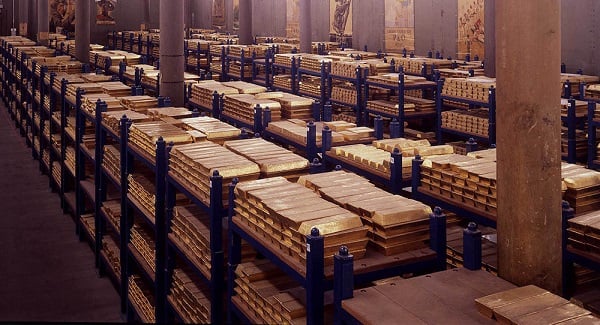
The Bank of England's gold reserves. Photo courtesy of the Bank of England Flickr account.
Gold as Monetary Insurance
Central banks view gold as insurance against extreme economic scenarios. Unlike currency reserves dependent on other governments' policies, gold provides value independent of any country's economic management or political stability.
This same principle applies to individual investors who hold physical gold bars and coins as portfolio insurance and wealth preservation.
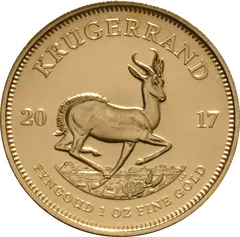
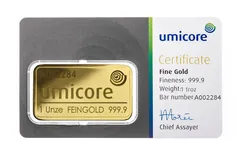
Individual investors can follow central banks' example by holding physical gold for long-term wealth preservation. Investors can build meaningful gold positions through BullionByPost's range of investment gold coins and gold bars.

from £3,502

from £393.50
from £393.90
from £3,551